Schema Therapy in Newcastle
Evidence-based treatment for long-standing patterns of thinking, feeling and relating
Master of Clinical Psychology · Member, Australian Psychological Society (MAPS)
Schedule Your ConsultationWhat is Schema Therapy?
Schema Therapy is an integrative approach, developed by Dr Jeffrey Young, that combines elements of CBT, attachment theory, and experiential techniques to address deep-rooted patterns known as "early maladaptive schemas."
These schemas typically form in childhood or adolescence, when core emotional needs go unmet, and continue to shape how we see ourselves, other people, and our relationships well into adulthood. Common examples include a persistent sense of defectiveness, abandonment, emotional deprivation, or unrelenting standards.
Unlike shorter-term therapies that focus mainly on current symptoms, Schema Therapy works at a deeper level to identify where these patterns came from, understand the "modes" they show up in day to day, and build new, healthier ways of meeting your needs.
How Schema Therapy Works
Treatment typically moves through several overlapping phases, tailored to your pace and goals.
Assessment & Education
We map out your history and current difficulties to identify which early maladaptive schemas are active, and how they developed.
Mode Awareness
You learn to recognise your "schema modes" — the different emotional states and coping responses that get triggered in daily life.
Experiential Change Work
Using techniques such as imagery rescripting and chair work, we address the emotional roots of your schemas, not just the thoughts around them.
Breaking the Pattern
We build practical, healthier ways of getting your needs met and responding differently in the relationships and situations that used to trigger old patterns.
Who Schema Therapy Can Help
Schema Therapy is particularly well suited to difficulties that have been present for a long time, or that haven't fully resolved with shorter-term approaches.
Chronic Low Self-Worth
Persistent feelings of being flawed, unlovable, or "not good enough" that don't shift despite external success.
Repeated Relationship Patterns
Finding yourself in similar difficult relationship dynamics again and again, or struggling with trust, closeness, or abandonment fears.
Perfectionism & Unrelenting Standards
Chronic self-criticism, difficulty resting or feeling "enough," and burnout from relentless self-imposed pressure.
Emotional Deprivation
A long-standing sense that your emotional needs won't be met, or difficulty identifying and asking for what you need.
Difficulty Regulating Emotions
Intense emotional reactions, or the opposite — feeling cut off from your emotions altogether.
Personality-Level Difficulties
Schema Therapy has a strong evidence base for personality difficulties, including borderline and avoidant presentations.
Your Schema Therapy Practitioner
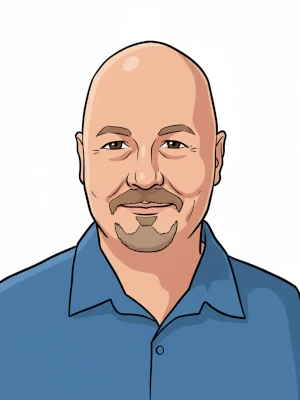
Bartholomew Henrick is a clinical psychologist working with adults and teenagers experiencing long-standing patterns in how they think, feel, and relate to others.
Drawing on training across CBT, EMDR, ACT and Schema Therapy, Bartholomew tailors treatment to the depth of work each client needs — from targeted symptom relief to longer-term work on the patterns underneath.
Qualifications & Experience
- Master of Clinical Psychology
- Two Honours-level degrees in Psychology
- Member, Australian Psychological Society (MAPS)
- Member, EMDR Association of Australia
- Experience with adults and teenagers
- In-person and telehealth appointments available
Frequently Asked Questions
How is Schema Therapy different from CBT?
CBT tends to focus on current thoughts and behaviours. Schema Therapy goes further back, looking at where long-standing patterns came from, and uses more experiential techniques — alongside cognitive and behavioural work — to create change at a deeper level.
How long does Schema Therapy take?
Because it addresses long-standing patterns, Schema Therapy is generally a longer-term therapy than approaches focused purely on symptom relief. Your treatment plan and pace will depend on your goals, and we'll review progress together along the way.
Is Schema Therapy available via telehealth?
Yes. Schema Therapy can be delivered effectively via secure video sessions, including experiential techniques such as imagery work. See our telehealth page for details.
Do I need a GP referral?
No, you can book directly. A Mental Health Care Plan from your GP can provide a Medicare rebate and reduce your out-of-pocket costs, but it isn't required to start.
Ready to Understand Your Patterns?
Contact us to schedule a Schema Therapy consultation or ask whether this approach is a good fit for you.
02 4910 4061
02 4913 5390
Suite 107 (Reception)
17 Bolton Street
Newcastle NSW 2300
PO Box 18
Wickham NSW 2293
Monday - Friday: 9:00am - 5:00pm